In 30 years of acquiring single-family rentals, I've passed on more portfolios than I've bought. Not because the properties were bad—but because the data was. Stale AVMs. Missing environmental factors. Incomplete rent comps. When you're underwriting at scale, bad data doesn't just slow you down. It costs you deals, or worse, lands you with assets that never pencil.
After underwriting more than 500,000 properties, I've learned that the difference between a successful bulk acquisition and a costly mistake usually comes down to data quality—not deal structure, not market timing.
The Hidden Costs No One Talks About
Most family offices and mid-size REITs focus on the obvious metrics: cap rate, price per door, market fundamentals. But I've watched sophisticated buyers lose millions on deals that looked perfect on paper. The culprits are almost always the same:
- Stale valuations: AVMs that are 60-90 days old in a volatile market can be off by 5-10%. On a 200-property portfolio, that's a seven-figure swing.
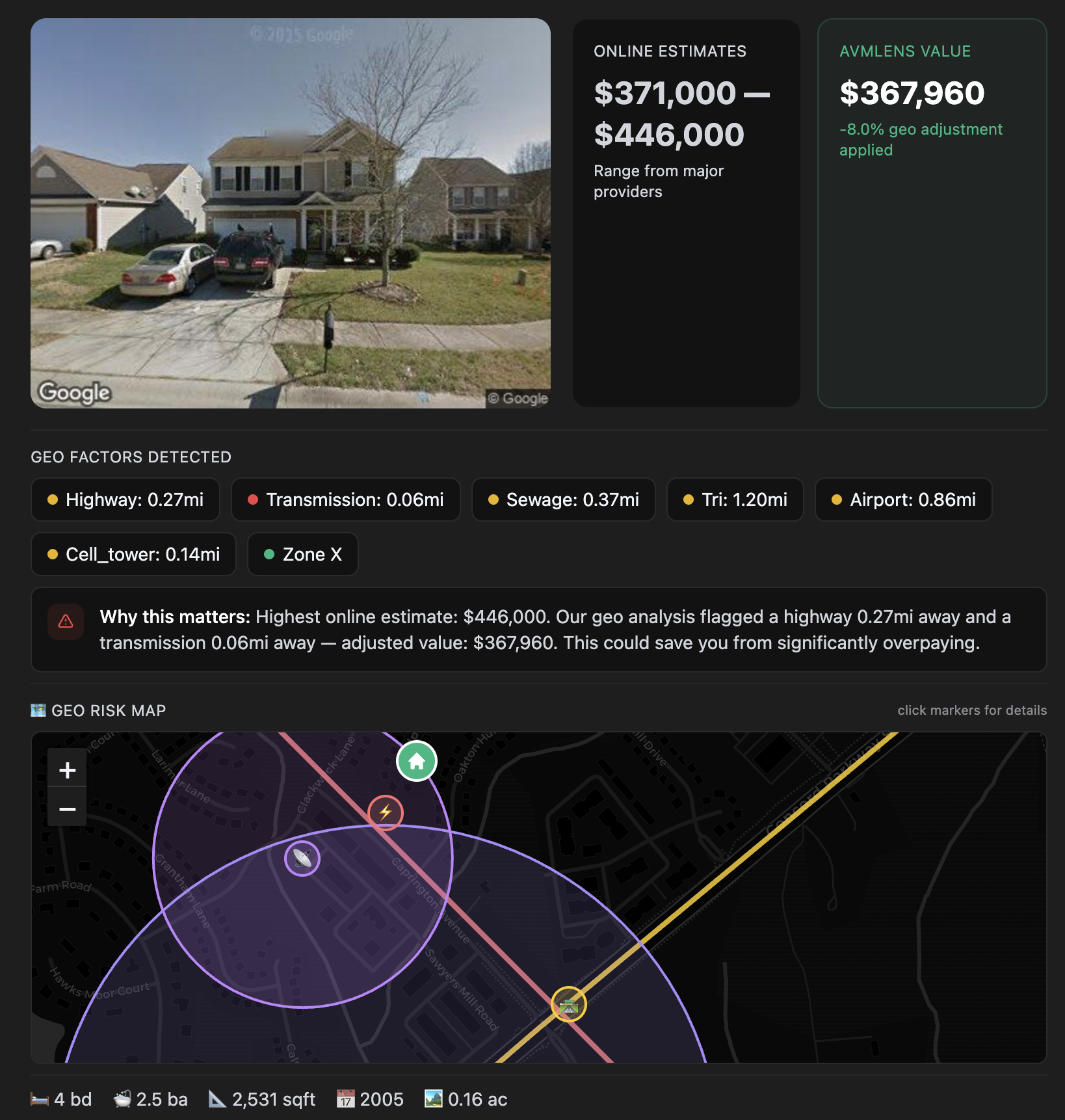
- Missing geo-risk factors: That portfolio in Houston looked great until we mapped 40% of the properties to high-risk flood zones. Insurance costs killed the returns.
- Single-source AVM reliance: Zillow says $180K. CoreLogic says $210K. Which is right? Neither—you need multi-source consensus to triangulate actual value.
- Incomplete rent comps: Seller-provided pro formas are fiction. You need current, localized rental data to underwrite NOI.
Why Family Offices Are Especially Vulnerable
Institutional buyers—the Invitation Homes and Progress Residentials of the world—have built proprietary data infrastructure over years. They have teams of analysts, direct MLS feeds, and custom scoring models.
Family offices and mid-size funds don't have that luxury. You're often working with seller-provided data, maybe a third-party AVM, and whatever your broker can pull together. That asymmetry is where deals go wrong.
I've seen family offices pass on quality portfolios because they couldn't underwrite fast enough. And I've seen them overpay on questionable deals because the seller's data looked clean. Both outcomes stem from the same problem: lack of independent, comprehensive property intelligence.
What Good Data Actually Looks Like
After 16,000 acquisitions, here's what I look for in any bulk deal:
- Fresh multi-source valuations: Not one AVM—multiple independent sources aggregated into a consensus value with confidence scoring. If three sources cluster around $185K and one outlier says $220K, I know which to trust.
- Complete geo-risk mapping: Every property checked for flood zones, environmental hazards, transmission line proximity, cell towers, railroad noise, and sex offender proximity. Any one of these can tank rental demand or resale value.
- Current rental comps: Not asking rents—actual executed leases within a tight radius and timeframe.
- Condition indicators: Tax assessment history, permit activity, days on market patterns—signals that suggest deferred maintenance or turnover issues.
Finding Pre-Vetted Inventory + Scaling Your Due Diligence
One shortcut I've found: work with platforms that have already done the curation. Marketplace.Rebuilt.com aggregates both on-market and off-market SFR inventory that's been pre-screened. Instead of starting with raw data, you're starting with properties that have already passed initial filters—saving weeks of underwriting time. (Disclosure: I helped architect much of the Rebuilt platform and stand behind it—though I receive no compensation for clicks or usage.)
For the properties that make your shortlist, AVMLens layers in multi-source AVM consensus and comprehensive geo-risk scoring. Upload 1,000+ properties and get full valuations with risk factors in hours—not weeks. Whether you're a Goldman Sachs aggregation line validating collateral, a fund preparing interim board reports, or an individual investor deciding which properties to buy or sell, the same institutional-grade intelligence is available.
That's the real unlock: the same data infrastructure that large institutions built over years is now accessible to family offices, mid-size funds, and individual investors alike. The playing field has leveled.
The Real Math on Bad Data
Let's run the numbers on a typical 200-door portfolio priced at $35 million:
- 5% valuation miss: $1.75M overpayment
- 20 properties in high-risk flood zones: $80K/year in unexpected insurance premiums
- 10 properties with hidden environmental issues: 15% discount at exit = $525K loss
- Turnover from missed proximity factors: Higher vacancy, lower rents, tenant churn
Conservative estimate: bad data on a single bulk acquisition can cost $1-2 million in direct losses and opportunity cost. And that's before the operational headaches of managing assets that should never have been acquired.
Bottom Line
The days of winning bulk acquisitions with a spreadsheet and gut instinct are over. Institutional buyers have raised the bar on data quality, and family offices that don't adapt will either overpay for mediocre assets or lose out on the best deals to faster-moving competitors.
The good news: you don't need to build an in-house data team. Between curated marketplaces like Rebuilt and property intelligence platforms like AVMLens, investors of all sizes—from individual buyers to family offices to institutional funds—can access the same caliber of data without the overhead.
In my experience, the best deals come from combining pre-vetted inventory sources with deep, independent due diligence. Let someone else do the initial screening. Then layer on comprehensive property intelligence before you commit capital. That's how you avoid the true cost of bad data.